Electrical Safety Tips
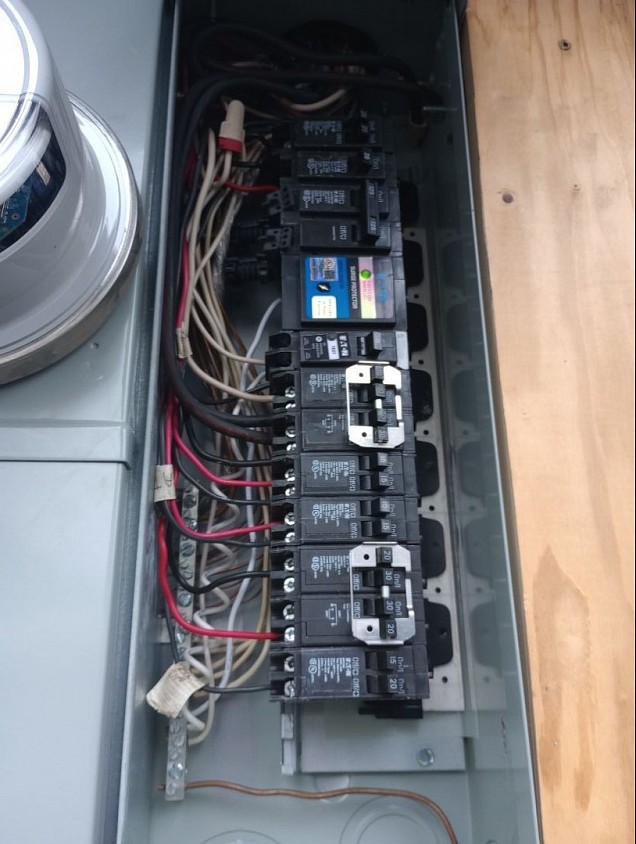
Ensure electrical safety by matching breaker amperage to wire size (gauge), never overriding with larger breakers, and ensuring all connections are tight.
Use 14-gauge for 15A circuits, 12-gauge for 20A, and 10-gauge for 30A to prevent overheating, fire risks, and nuisance tripping.
Key Safety Tips & Guidelines
Match Wire to Breaker (Not Load): Breakers exist to protect the wiring, not the appliance. If you put a 30A breaker on 12-gauge wire (which is rated for 20A), the wire will overheat and cause a fire before the breaker trips.
Wire Size Basics (AWG): The smaller the number, the thicker the wire.
15 Amp Breaker: Use 14-gauge wire.
20 Amp Breaker: Use 12-gauge wire.
30 Amp Breaker: Use 10-gauge wire.
The 80% Rule: For continuous loads (lasting 3+ hours), only fill the circuit to 80% of its max capacity (e.g., a 20A breaker should only carry 16A continuously).
Tighten Connections: Loose terminals cause arcing, overheating, and failures. Use a screwdriver to torque screws securely.
Inspect and Test:Monthly: Visually check for rust, discoloration, or burning around panels.
Quarterly: Test trip and reset GFCI breakers.
Annually: Consider an infrared scan to detect hidden hotspots.